
Rooted in Partnership, Branching into Practice: Highlights from PA South Central's Regional Hub Gathering
by Elise Trelegan, NOAA Chesapeake Bay Office
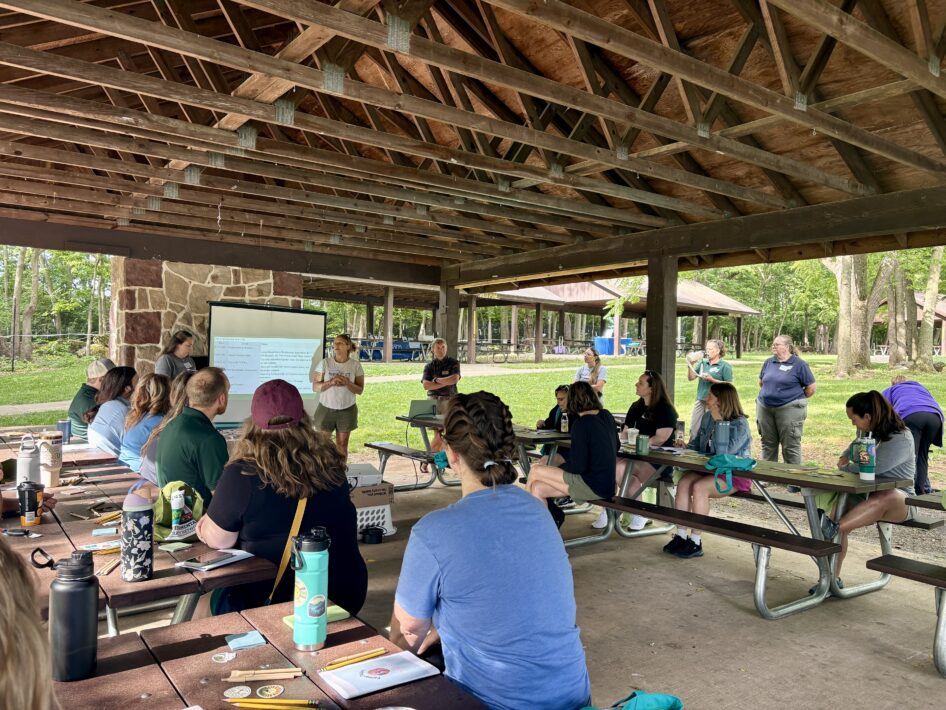
There’s a unique kind of magic that happens when passionate educators gather together. At the recent Roots & Branches Institute held under the canopy of John Rudy County Park in York County, PA that energy was on full display! The gathering brought together a few dozen formal and nonformal educators where the shared goal was simple but profound: growing environmental literacy through authentic partnership and practice.
PA South Central Regional Hub (one of six regional hubs of the PA Environmental Literacy Network) Leaders Carrie Lankford, of Red Lion Area School District, and Jen Peglow, of Chesapeake Bay Foundation, curated a packed-yet-digestible two day agenda that modeled some of the best practices for facilitation and community building. For those who lead their own local networks or regional hubs, this article will dive into how the institute intentionally mirrored Adult Learning Theory – showing us how to design professional learning experiences that respects, engages, and empowers adult learners.
1. Curating Presence with a "Digital-Free" Location
The incredible vibe under the park pavilion wasn’t accidental. It was intentionally fostered from the moment participants arrived. In a world dominated by screens, the organizers provided a beautifully branded PA Environmental Literacy Network tote bag containing a physical book for note-taking.
By leaning into the digital free workspace, educators were encouraged to untether from their laptops and phones. This simple shift allowed everyone to reduce distractions, be fully present, and engage in face-to-face conversations. Intentional time for reflection was incorporated into each activity through pair-shares, group reflection, and independent reflection.
2. Immersive Experiences that Educate the Educator
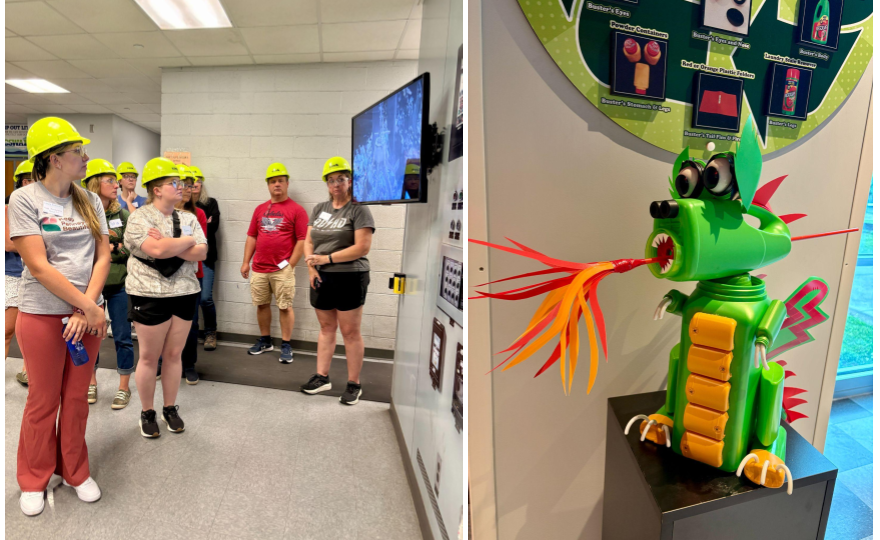
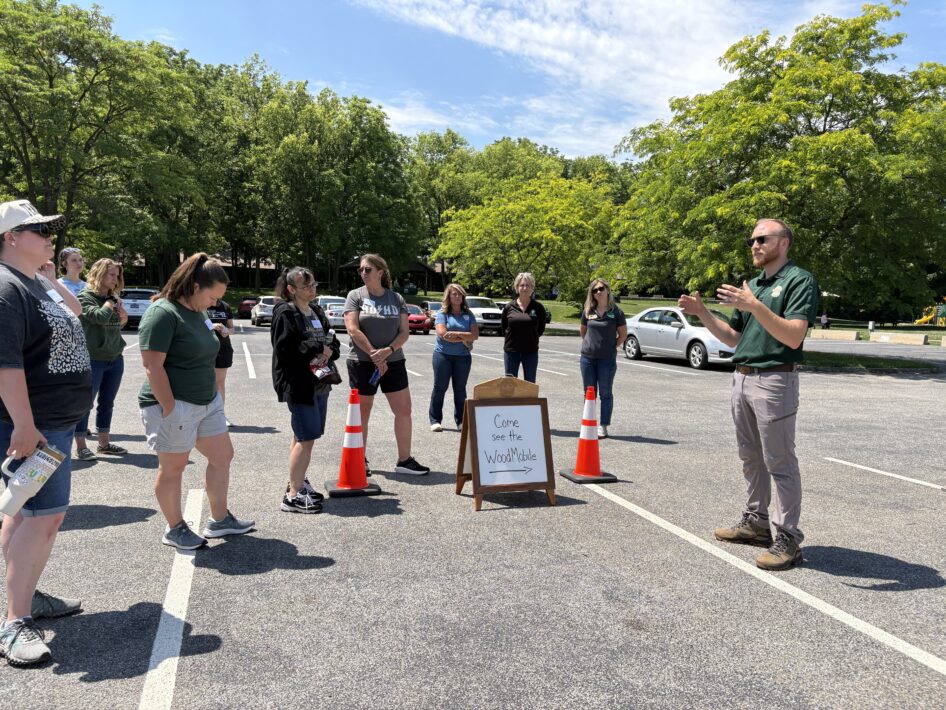
You can’t teach environmental literacy solely within the four walls of a classroom and the institute practiced exactly what it preached. Participants stepped away from the pavilion for a number of immersive field experiences, including a site visit to the York County Solid Waste Authority and an outdoor field experience at Penn State Extension’s Community Garden.
Getting a firsthand look at waste management and local sustainability infrastructure didn’t just provide a model for future student field experiences; it actively expanded teachers’ own knowledge of local environmental issues and community partners, enriching them as professionals. It also met a clear need for teachers in PA right now: how do we integrate the environmental literacy and sustainability aspects of the new STEELS standards in an authentic way for our students?
3. Making Success Approachable
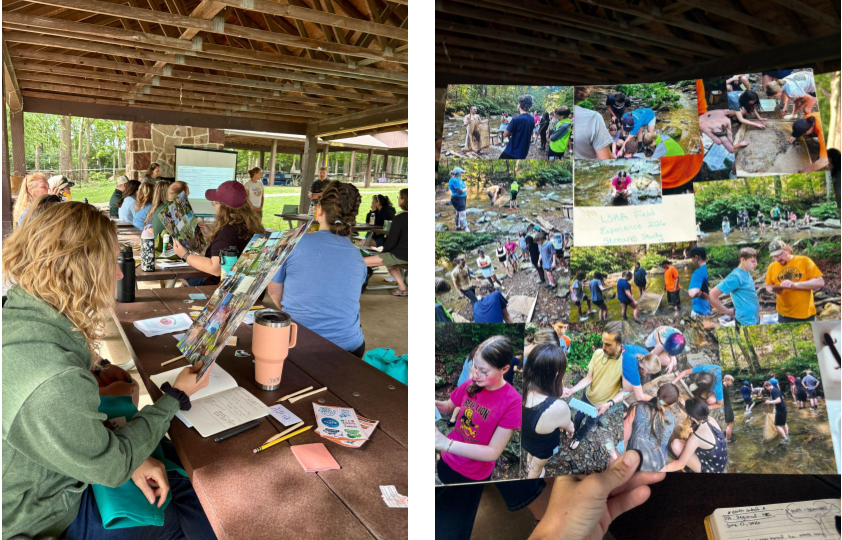
How do we turn these field experiences into sustainable, systemic school programs? The institute highlighted a spectacular regional success story: the ongoing MWEE partnership between Lower Susquehanna Riverkeeper Association and the Red Lion School District’s 8th grade team.
Rather than relying on a standard slideshow presentation, the team used the low-tech tactic of passing around a collage of physical photos that exemplified the Red Lion model. Seeing visuals of what the MWEE actually looked like in a classroom made the program instantly approachable. It allowed attending teachers to visually map out what a similar partnership could look like for them, transforming an abstract concept into an achievable reality.
To ensure educators didn’t leave empty-handed, the institute also brought in turn-key, already tested lessons and unit plans, like the Shared Waters Curriculum, used widely across the state, giving teachers immediate resources to implement the new STEELS standards.
By passing around photos and proven curricula, facilitators allowed teachers to analyze the success story through the lens of their own past classroom experiences, making the new strategies highly relatable and easy to evaluate.
4. Smart Networking via the "Partner Passport"
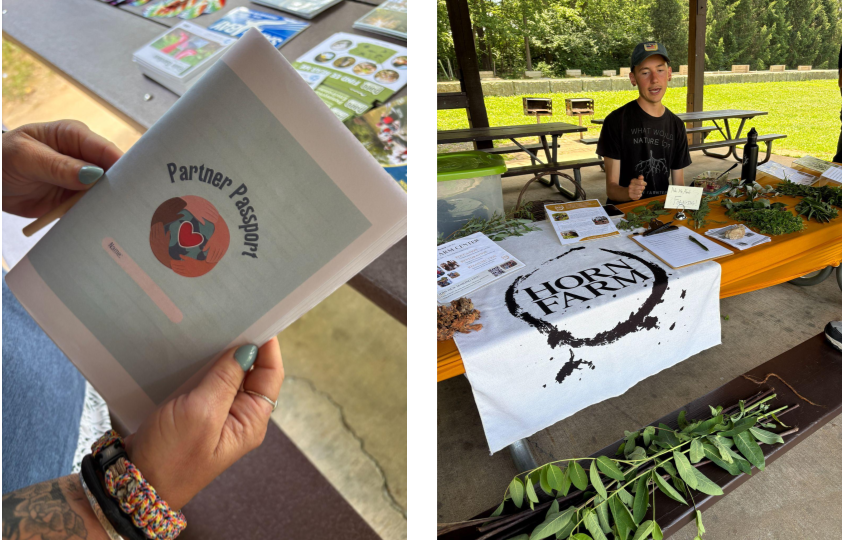
Building relationships between formal schools and a variety of unique nonformal education organizations was a core goal of this gathering. To guide these interactions, organizers created a Partner Passport.
These materials aren’t necessarily a novel concept, but the design was highly intentional. There was a page available for each partner where participants could capture program ideas, inspiration, and collaboration notes during partner table visits. The back of the booklet was pre-populated with everyone’s contact information. While there was a flow to ensure that participants didn’t get blocked up at every partner table (there were 35 partners on-site!), teachers were provided the autonomy to decide how many partner tables to visit, how long to stay at each one, and could take the time they needed for diving deep into a conversation with someone they might want to collaborate with during the school year.
5. Demystifying Logistics and Funding
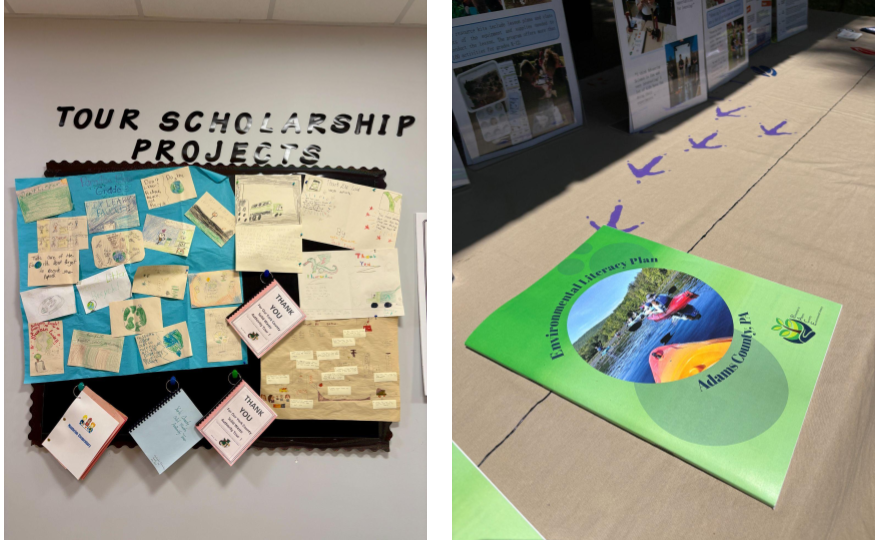
Real-world problems need real-world funding and logistical hurdles can stall a great idea before it even starts. The institute directly addressed these barriers by highlighting local funding opportunities, like a scholarship program provided by the York County Solid Waste Authority for transportation funds, alongside other low-cost models for experiential learning. Organizers encouraged participants to consider the restraints that they might face (transportation barriers, permissions or approval from school leadership, etc.) but cautioned them not to be limited by what they perceive are barriers. Organizers and partners were in the space specifically to trouble shoot and identify solutions.
6. Ample Time for Implementation Planning
True professional growth requires time to digest new concepts, which is why the institute dedicated nearly an entire half-day to implementation planning. Teachers were given the space to reflect deeply on what they had learned over the two days, pull out specific curricular resources, and collaborate directly with their peers. This allowed them to immediately integrate new environmental literacy ideas and STEELS aligned resources directly onto the curricula they have been using for years.
While the Roots & Branches Institute felt local and beautifully tailored to the South Central Region of PA, it is actually part of a much larger movement! As one of six regions hubs powering the PA Environmental Literacy Network, events like this are proof that when we root our efforts in strong partnerships and thoughtful facilitation, our collective efforts can have real, meaningful impact.
Looking to connect with an environmental literacy hub near you? Explore what’s happening in your state: DC, DE, MD, PA, VA, WV.